Owning property in Florida means enjoying lush greenery and shady landscapes almost year-round. Trees add value, beauty, and cool comfort to homes, but sometimes they also become a problem. Maybe a tree is leaning dangerously close to your house, dropping heavy limbs, or standing in the way of your home renovation plans. That’s when most homeowners pause and ask one key question: Do I need a permit to remove this tree?
The answer depends on the tree’s condition, size, species, and your location. Florida has a mix of state laws and local regulations, which can make the rules seem confusing. However, once you understand the basics, navigating the process becomes much simpler, especially with help from professionals like Jax Tree Removal, who know local laws inside and out.
Florida’s Tree Removal Law Explained
Florida’s statewide rule, known as Florida Statute 163.045, gives property owners some freedom when it comes to tree removal. Under this law, homeowners are not required to obtain a permit if a certified arborist or licensed landscape architect determines that a tree poses a danger to people or property.
This rule was created to make it easier for residents to act quickly, especially after hurricanes or storms that leave trees damaged or unstable. Still, while the state law gives broad protection, cities like Jacksonville have additional regulations that focus on preserving their unique urban canopy.
When a Permit is Required?
The City of Jacksonville has clear guidelines for when tree removal permits are needed. Permits are generally required for trees that are considered part of the city’s protected or heritage list. These include older, larger species like oak, magnolia, and cypress that have significant environmental or historical value.
If your property lies within a conservation zone or you plan to remove several mature trees for construction or landscaping, you must apply for approval from the city’s Environmental Quality Division. The permit ensures that your project doesn’t affect the surrounding environment or remove too many valuable trees.
Here’s what typically calls for a permit:
- Removing protected or heritage trees based on trunk size or species
- Clearing trees for commercial or large residential projects
- Working in environmentally sensitive areas or conservation zones
Even if you own the land, protected trees are often seen as shared community assets, so the city reviews each case carefully.
When You Don’t Need a Permit?
Not every tree requires paperwork before removal. If a certified arborist states that the tree is hazardous, dead, or likely to cause damage, you are exempt from the permit requirement.
Common situations where permits are not needed include:
- Trees that are visibly dead or hollowed out by disease
- Trees leaning dangerously toward structures or power lines
- Storm-damaged trees posing an immediate safety risk
Although no city permission is required in these cases, it’s important to keep all documentation such as inspection reports, photos, and invoices. These serve as proof that your decision to remove the tree was based on legitimate safety concerns.
Understanding the Local Permit Process
If your situation does require a permit, Jacksonville makes the process relatively straightforward. You will need to submit an application to the City of Jacksonville’s Planning and Development Department, including information such as your property address, the number of trees you plan to remove, and the reason for removal.
City officials may visit your property to inspect the tree or request an arborist’s report. Once your permit is approved, you can schedule removal through a licensed and insured company like Jax Tree Removal. Their team ensures all work is completed safely, legally, and without any unnecessary delays.
Getting a permit beforehand also helps avoid disputes with your homeowners’ association or neighboring properties, especially in communities with landscaping restrictions.
Why Permit Regulations are Important?
Tree removal permits in Jacksonville, FL are not just bureaucratic red tape. They exist to protect Florida’s environment, maintain neighborhood beauty, and reduce the risk of flooding and soil erosion. Trees in Jacksonville play a vital role in filtering air, providing shade, and keeping the city’s climate more manageable during hot summers.
By following the permit process, homeowners help maintain this balance while still addressing safety concerns. It also protects property owners from potential fines, penalties, or future disputes if the removal is later questioned.
In short, getting a permit (when required) isn’t a hassle, it’s a safeguard for both you and the community.
Consequences of Removing Trees Without a Permit
Cutting down trees without proper authorization can lead to more than just fines. The city may also require you to plant replacement trees or contribute to a reforestation fund. Unauthorized removal of heritage or protected trees can even affect future property permits, making it harder to get approval for construction or renovation projects.
Beyond legal penalties, there are safety concerns. Unsupervised removal of large trees can damage nearby property, underground utilities, or neighboring yards. A professional tree removal service ensures that every job follows local codes and proper safety standards.
How Jax Tree Removal Helps Homeowners?
For Jacksonville homeowners, managing permits, arborist reports, and safety requirements can feel like a lot. Jax Tree Removal simplifies the process by handling everything from evaluation to removal. Their certified arborists assess the tree’s health, determine whether a permit is required, and help gather the proper documentation.
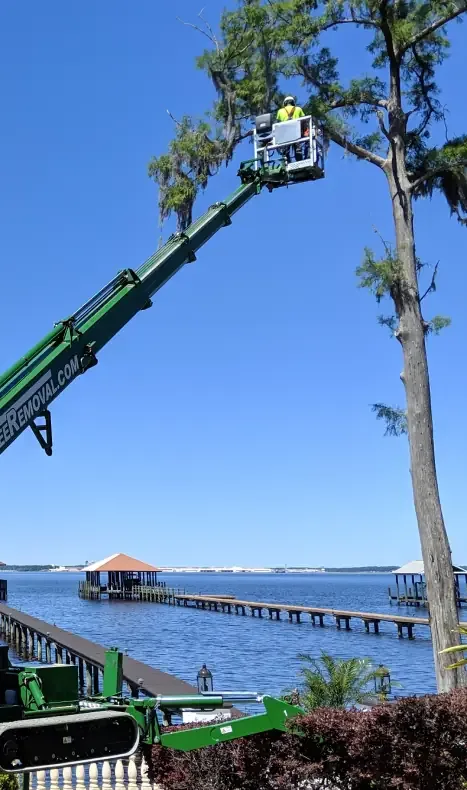
Once all requirements are met, the team performs the removal efficiently, using advanced equipment to minimize disruption. They also handle cleanup and debris hauling, leaving your property safe and tidy.
Working with professionals not only saves time but also prevents costly mistakes. Whether you need help with one hazardous tree or a full lot clearing, Jax Tree Removal provides reliable guidance every step of the way.
Making Tree Removal Safe and Legal in Jacksonville
Tree removal in Florida isn’t just about taking down an unwanted tree. It’s about understanding when removal is necessary, following local regulations, and doing it safely. While the state gives homeowners the right to remove dangerous trees without a permit, local laws in Jacksonville still protect certain species for the greater good of the community.
If you’re unsure whether your situation requires a permit or not, reaching out to experts can save you time and stress. Jax Tree Removal offers professional assessments, handles the paperwork if needed, and ensures that every job is done according to state and city guidelines.
To learn more or schedule a consultation, visit Jacksonville FL Tree Removal Service and let the professionals help you make the right call for your property.
Frequently Asked Questions
Do I need a permit for all tree removals in Jacksonville?
No. If a certified arborist determines that the tree poses a danger, you can remove it without a permit. However, protected or heritage trees still require approval from the city.
What are considered protected trees in Jacksonville?
Species like oak, magnolia, and cypress often fall under the protected category based on their diameter and age. Always check before removing large, established trees.
Can I remove a tree myself without hiring a professional?
While small trees can sometimes be handled by homeowners, large or hazardous ones should always be removed by professionals. It’s safer and ensures compliance with city rules.
What happens if I remove a protected tree without permission?
Unauthorized removal can result in fines, replanting requirements, or other penalties. The city may also require proof that the removal was necessary for safety reasons.
How long does it take to get a tree removal permit in Jacksonville?
The process typically takes a few business days. Working with an experienced company like Jax Tree Removal can help you get approvals faster and avoid paperwork errors.
Who can certify that a tree is dangerous or needs removal?
Only a certified arborist or licensed landscape architect recognized by the state can issue a valid assessment confirming that a tree poses a risk to safety or property.