
Things Not To Do When Trimming Your Trees
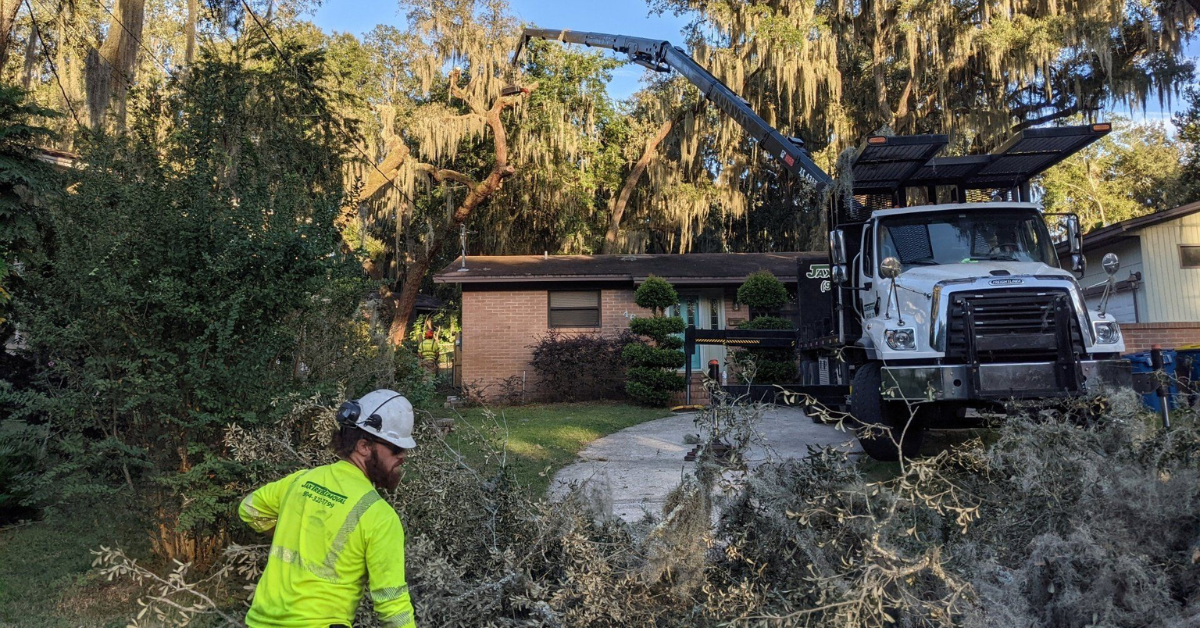
Things Not To Do When Trimming Your Trees
Keeping your trees well-maintained is key to preserving the beauty and safety of your property in Jacksonville. While tree trimming might seem simple, one wrong cut can cause long-term damage or even kill a healthy tree.
Jax Tree Removal has worked with homeowners across Jacksonville, helping them understand the right and wrong ways to manage tree growth. Let’s look at the most common mistakes people make when trimming trees and how to avoid them.
The Importance of Proper Tree Trimming
Tree trimming in Jacksonville, FL is not just about improving how your yard looks. It is an essential part of maintaining the health and structure of your trees. Regular trimming promotes stronger growth, removes safety hazards, and prevents property damage during storms. However, doing it incorrectly can lead to infection, decay, and structural weakness.
In places like Jacksonville, where trees grow vigorously due to the warm and humid climate, trimming needs extra attention. The goal is to balance aesthetics and safety without harming the tree’s natural structure.
Common Mistakes to Avoid When Trimming Trees
● Trimming Too Much at Once
One of the biggest mistakes homeowners make is removing too much foliage at one time. Over-trimming can stress a tree and interfere with its ability to photosynthesize. When you take away too many leaves, you reduce the tree’s energy supply. A good rule is never to remove more than 25% of the canopy in a single trimming session.
● Cutting Branches at the Wrong Time
Timing is everything in tree trimming. Many people make the mistake of cutting during active growth seasons, which can shock the tree. For most trees in Jacksonville, late winter or early spring is the best time for trimming because the trees are dormant. This allows them to heal faster before the growing season begins.
● Ignoring Safety Precautions
Tree trimming can be dangerous if not done properly. Homeowners sometimes underestimate the risks involved, especially when trimming tall or heavy branches. Without proper safety gear and tools, accidents can happen easily. Falling branches can injure people or damage roofs, vehicles, and nearby structures. It is always safer to rely on professionals who have the right equipment and experience to handle the job safely.
● Using Dull or Improper Tools
Many people grab the nearest saw or clipper without realizing how important tool condition is. Dull tools can tear the bark instead of making clean cuts, which increases the risk of disease and pest infestation. Always ensure your pruning tools are sharp and disinfected before use. If you are unsure which tools to use for a specific type of branch, it is best to consult a professional.
● Topping the Tree
Topping, or cutting off the top of a tree to reduce height, is one of the worst mistakes you can make. This method creates weak regrowth that is more likely to break in storms. It also exposes the tree to sunburn, decay, and pests. Instead of topping, focus on selective trimming that shapes the tree while maintaining its strength and stability.
● Trimming Without a Plan
Trimming should always have a purpose, whether it is improving airflow, reducing weight on heavy limbs, or maintaining clearance around your home. Randomly cutting branches without understanding the tree’s natural growth pattern can ruin its structure. Take time to assess which branches actually need removal and plan your cuts before starting.
● Ignoring Signs of Tree Stress
If your tree is already weak, diseased, or infested with pests, trimming might worsen the condition. Removing branches puts stress on a tree that is already struggling. Always check for symptoms such as discolored leaves, peeling bark, or visible fungus before trimming. A certified arborist can help determine if the tree needs treatment before any cutting is done.
● Forgetting to Clean Up After Trimming
Leaving debris, cut branches, or wood chips around your property might attract pests and create fire hazards. Proper cleanup is just as important as the trimming itself. After trimming, remove all branches, rake up leaves, and dispose of debris responsibly.
Why Professional Help Makes a Difference?
Tree trimming is both an art and a science. While many homeowners try to handle it themselves, the results are often uneven or unsafe. Professionals like Jax Tree Removal understand the growth patterns, species-specific needs, and environmental factors that influence how a tree should be pruned.
By hiring a certified team, you can ensure that:
● The tree’s natural shape is preserved.
● The trimming promotes healthy regrowth.
● Safety risks are minimized.
● Equipment used is specialized for precise and clean cuts.
Professional trimming also helps improve your home’s curb appeal while keeping your yard safe from falling limbs during high winds or storms.
Long-Term Effects of Improper Trimming
Bad trimming practices can have lasting consequences. Trees that are over-pruned or topped often grow back unevenly, leading to weak branches that break easily. This makes them more vulnerable during Florida’s storm season. Additionally, wounds from improper cuts can invite fungal infections and pests that slowly damage the tree from within.
In severe cases, a damaged tree might become unstable and require removal altogether, which can be costly. Preventive maintenance through proper trimming is always more affordable than emergency tree removal later.
How Jax Tree Removal Helps Homeowners in Jacksonville?
Jax Tree Removal has built a strong reputation for safe and professional tree care across Jacksonville and nearby areas. The team provides complete tree trimming and removal services that ensure your trees stay healthy and your property remains safe.
Their experts evaluate each tree before trimming, plan strategic cuts, and use advanced equipment to minimize damage. Whether you need seasonal maintenance or emergency trimming after a storm, Jax Tree Removal is available to help protect your landscape.
If you want reliable professionals who understand local tree species and weather conditions, Jax Tree Removal is the team to call.
Keep Your Trees Safe, Strong, and Beautiful
Tree trimming should never be rushed or done without knowledge. Avoiding common mistakes such as over-trimming, topping, or cutting at the wrong time can make all the difference in keeping your trees healthy for years to come. With expert care from Jax Tree Removal, you can enjoy safer, better-looking trees without the risks of doing it yourself.
For professional and affordable help, contact Jax Tree Removal today. Learn more about their tree service in Jacksonville, FL to keep your property looking clean and well-maintained all year round.
Frequently Asked Questions (FAQs)
How often should I trim my trees in Jacksonville, FL?
Most trees should be trimmed once every 1 to 3 years, depending on their type, growth rate, and location. Fast-growing species may need more frequent trimming to maintain shape and safety.
Can trimming a tree too much kill it?
Yes, excessive trimming can harm or even kill a tree. Removing too much foliage limits its ability to produce food and recover, leaving it vulnerable to disease and pests.
Is summer a bad time to trim trees?
Summer trimming can be risky for many species, as trees are in their active growth stage. It is better to schedule trimming during late winter or early spring when trees are dormant.
What should I do if my tree was topped before?
If your tree was previously topped, it may still recover with proper care. Have a certified arborist inspect it to plan corrective pruning and help encourage healthy regrowth.
Why should I hire professionals instead of doing it myself?
Professional tree trimmers have the right equipment, safety gear, and experience to handle trees of any size. They can identify structural problems and trim safely without damaging the tree.
What happens if I leave trimmed branches on the ground?
Leaving branches or debris attracts insects and can spread disease. Always clean up and dispose of all tree waste after trimming to maintain a healthy yard environment.